
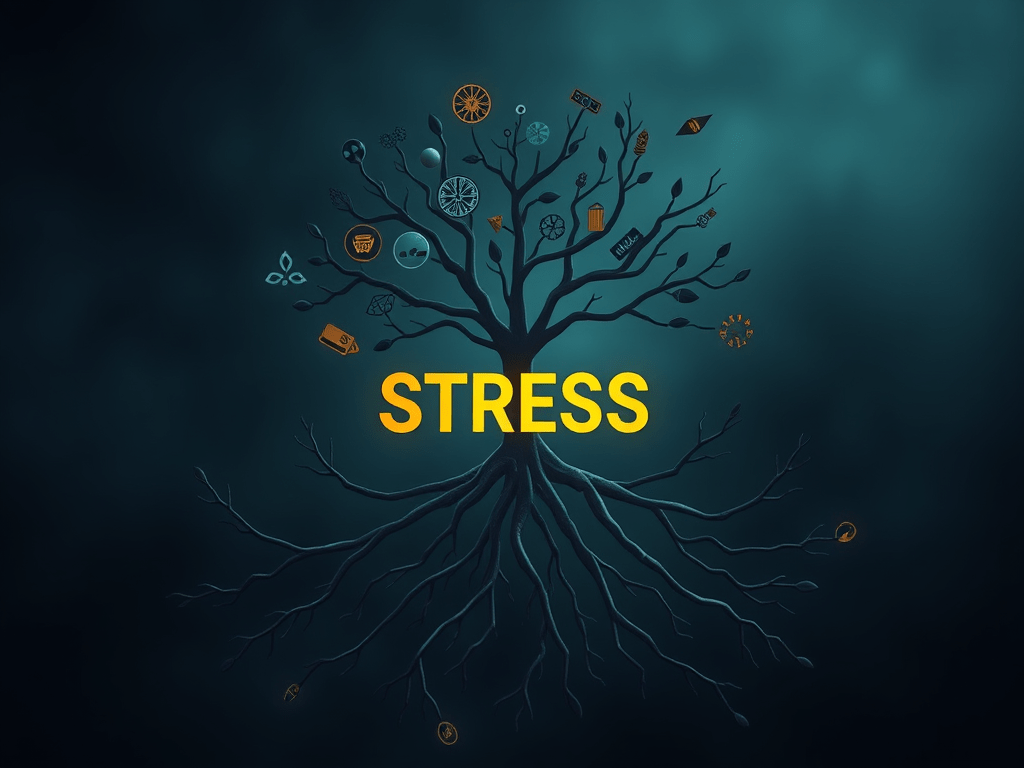
After identifying the signs of stress, it’s essential to understand what is stress and what stress causes. Stress isn’t just a feeling; it’s a physiological response that impacts the body, mind, and emotions. Whether triggered by work pressure, personal challenges, or other external factors, stress has root causes that vary from person to person.
What is Stress?
Stress is the body’s natural reaction to any demand or threat, real or perceived. When you feel stressed, your body triggers a “fight-or-flight” response, releasing hormones like adrenaline and cortisol.1 While these hormones are helpful in short-term situations, chronic stress can lead to various health problems, from headaches to weakened immunity, fatigue, and mood swings.
What’s the Cause of Stress?
Stress can stem from many factors, and understanding the cause for stress in your life is key to managing it. Here are the most common root causes of stress in daily life:
- Workplace Stress
Work is one of the most prominent causes of stress globally. Whether it’s demanding bosses, unrealistic deadlines, or toxic environments, these workplace factors can lead to burnout—a state of emotional, mental, and often physical exhaustion caused by prolonged stress. According to the American Institute of Stress, 80% of workers feel stress on the job, and nearly half say they need help learning how to manage stress. To avoid burnout, setting boundaries and learning effective time management are crucial. - Financial Worries
Money issues consistently rank as one of the top reasons for stress worldwide. Concerns about debt, savings, or even everyday expenses can lead to sleepless nights and anxiety. A study showed that individuals with the lowest income levels in a given region are 1.5 to 3 times more likely to face mental health challenges, such as depression and anxiety, compared to those with higher incomes in the same area.2 Creating a budget, setting financial goals, and seeking financial advice can be effective ways to manage these stressors. - Health Issues
Dealing with chronic illness or caring for someone who is ill can add significant stress, especially when it impacts your daily routine or finances. According to the Centers for Disease Control and Prevention (CDC), chronic illness sufferers often experience high stress levels, which can worsen their health conditions. Finding emotional and social support, as well as developing a clear care plan, can help alleviate this burden. - Personal Relationships
Relationships, whether they are familial, romantic, or friendships, can be both a source of comfort and stress. Unresolved conflicts, poor communication, or a lack of emotional support can cause tension and stress. According to a 2019 study by the National Institutes of Health (NIH), relationship conflicts can contribute to long-term mental health challenges, including anxiety and depression. Open communication, counseling, and setting healthy boundaries can reduce relational stress. - Environmental Factors
The environment you live in—whether it’s exposure to noise, pollution, or unsafe neighborhoods—can contribute to chronic stress. Research from the World Health Organization (WHO) indicates that environmental stressors like excessive noise and air pollution can lead to sleep disturbances, cardiovascular disease, and higher stress levels. Creating a calming home environment or taking steps to minimize exposure to these stressors can significantly improve your stress management.
Good Stress vs. Bad Stress: Understanding the Difference

Not all stress is harmful. In fact, some stress is actually beneficial. Good stress, or eustress, is a type of stress that motivates you and helps you focus. For example, preparing for an exam or pushing yourself to meet a deadline can trigger eustress, which keeps you alert and helps you perform better. Studies from the Yale Stress Center suggest that moderate amounts of stress can help build resilience and improve brain function, making you more adaptable in future challenges .
However, bad stress, or chronic stress, occurs when stress becomes prolonged and unmanaged. This type of stress can lead to numerous physical and mental health issues, including:
- Cognitive Impacts: Chronic stress can impair memory and decision-making abilities. A study from Harvard Medical School found that individuals experiencing prolonged stress showed a decline in brain function, particularly in areas related to memory and cognitive flexibility .
- Emotional Effects: Bad stress contributes to anxiety, depression, and emotional instability. The American Psychological Association (APA) has linked chronic stress to an increased risk of developing mood disorders .
- Physical Consequences: Chronic stress leads to high cortisol levels, which can disrupt your sleep, weaken your immune system, and increase your risk of developing heart disease and other health issues. Research from the Mayo Clinic highlights that cortisol imbalance due to stress can result in long-term physical health complications, such as weight gain, hypertension, and diabetes .
Understanding the difference between good stress and bad stress is vital for maintaining good mental health and ensuring that stress doesn’t overwhelm your daily life.
For a deeper understanding of stress signs and symptoms, check out our detailed article here: Are You Stressed Out? Identify the Signs!
Breaking the Stress Cycle: Practical Ways to Manage Stress

Knowing the cause for stress is only half the battle—breaking the cycle of chronic stress is the key to regaining control. Here are some effective ways to manage stress:
- Mindfulness and Meditation
Practicing mindfulness helps you become aware of your thoughts and emotions without judgment. Regular mindfulness or meditation can lower stress levels and improve overall mental health. Research from the University of Massachusetts found that an eight-week mindfulness meditation program significantly reduced stress and improved emotional well-being . - Exercise
Regular physical activity is proven to reduce stress by lowering cortisol levels and boosting endorphins, the body’s natural mood boosters. According to the American Heart Association, engaging in 30 minutes of physical activity daily can help lower stress levels and reduce the risk of stress-related health problems like heart disease . - Set Boundaries
Whether it’s in your personal or professional life, setting boundaries is essential for protecting your well-being. Learn to say no when you’re overwhelmed, and don’t hesitate to take time for yourself when needed. - Sleep and Nutrition
Poor sleep and diet can amplify stress, creating a vicious cycle. According to the National Sleep Foundation, adults should aim for 7-9 hours of quality sleep each night to help manage stress and recharge the body. Similarly, a balanced diet that includes omega-3 fatty acids and vitamins like B6 and magnesium can reduce stress by promoting brain health and lowering cortisol levels .
Navigating Stress Levels with BloomPal
BloomPal (currently under development) is an AI-powered app designed to be your personalized guide to work-related stress management.
We understand that everyone’s stressed level is different, but understanding how to monitor and manage those levels is crucial. BloomPal is designed to help you track your stress levels, identify triggers, and offer personalized mindfulness practices to keep stress under control.
Ready to navigate your stress more effectively? Join us here to learn more about how BloomPal can support your journey to better mental health.
By understanding what causes stress and how to differentiate between good stress and bad stress, you can take proactive steps to manage it. With mindfulness, regular exercise, and setting clear boundaries, you can break the cycle of chronic stress and lead a healthier, more balanced life. Remember, BloomPal is here to guide you every step of the way in managing your stress levels and improving your overall well-being!
Resources:
- https://www.ncbi.nlm.nih.gov/books/NBK541120/ ↩︎
- Matthew Ridley, Gautam Rao, Frank Schilbach, & Vikram Patel, “Poverty, depression, and anxiety: Causal evidence and mechanisms,” Science, December 2020. ↩︎
 Contact
Leave a comment